Advanced Distribution Box Technology Revolutionizes Electrical Systems for Modern Infrastructure
January 8, 2026By Electrical Engineering Experts
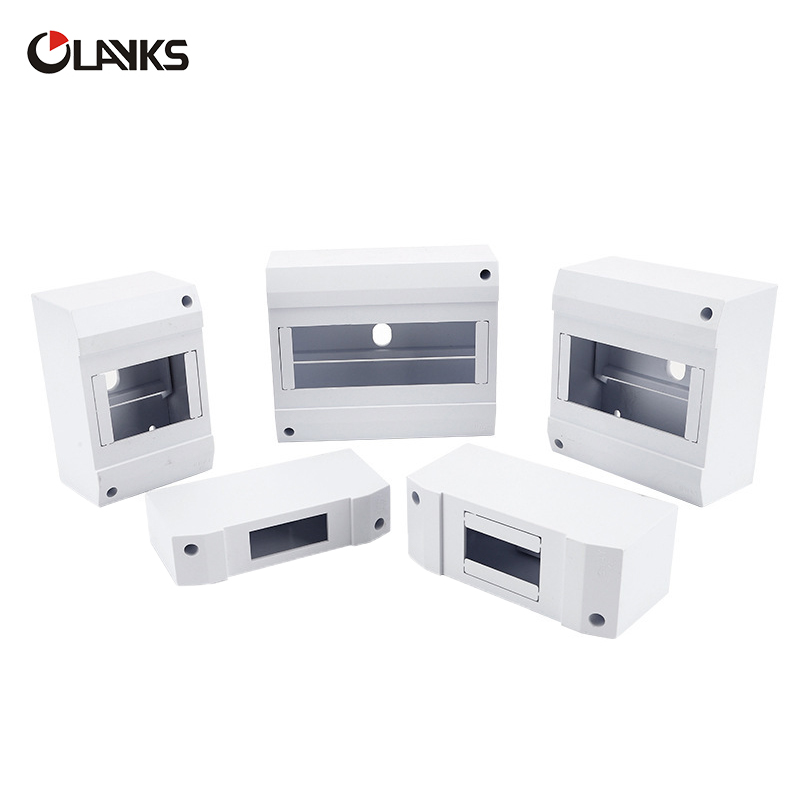
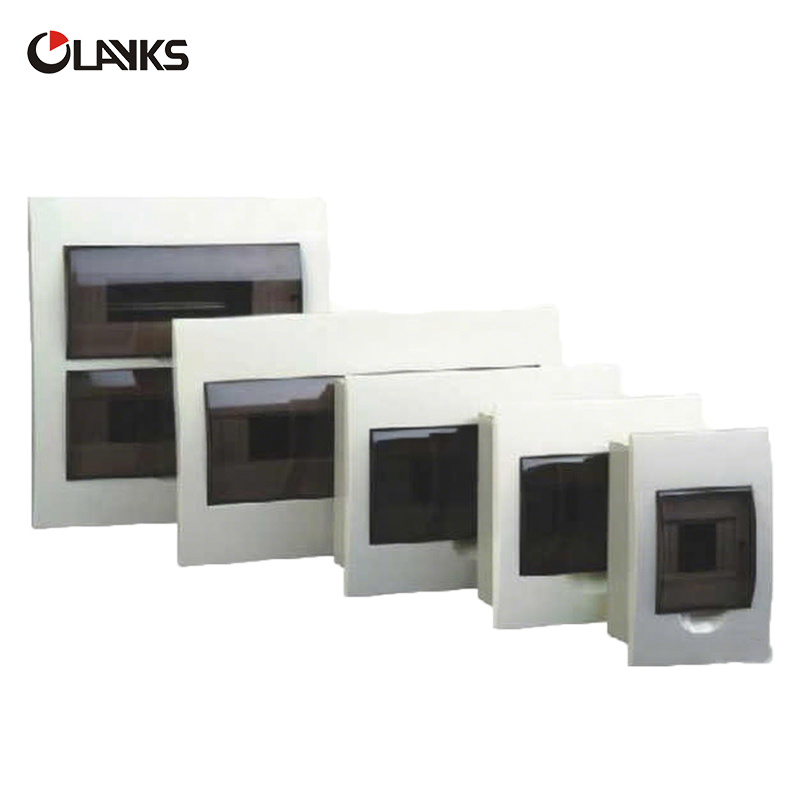
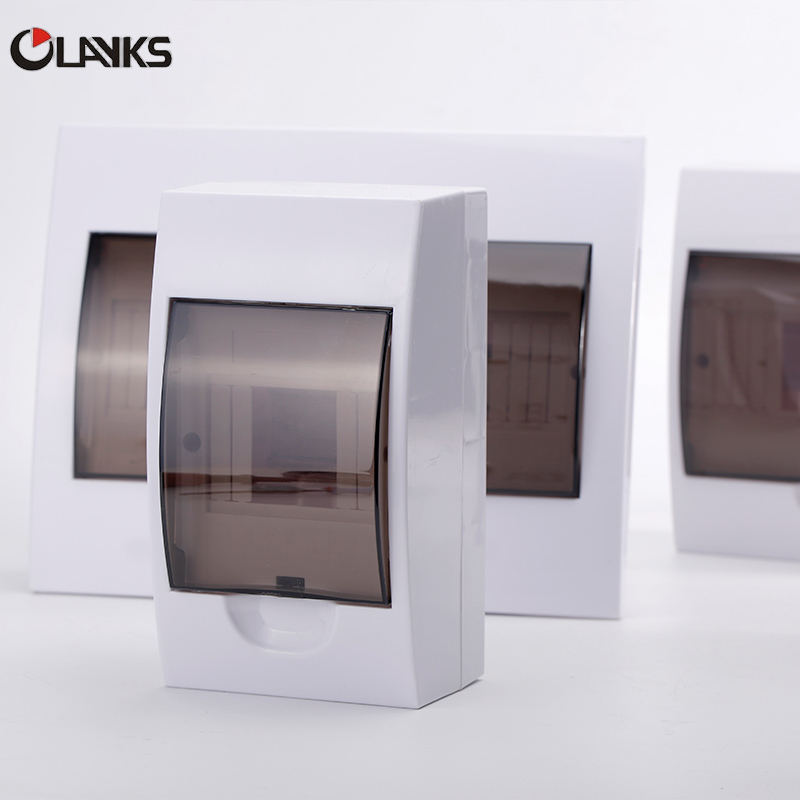
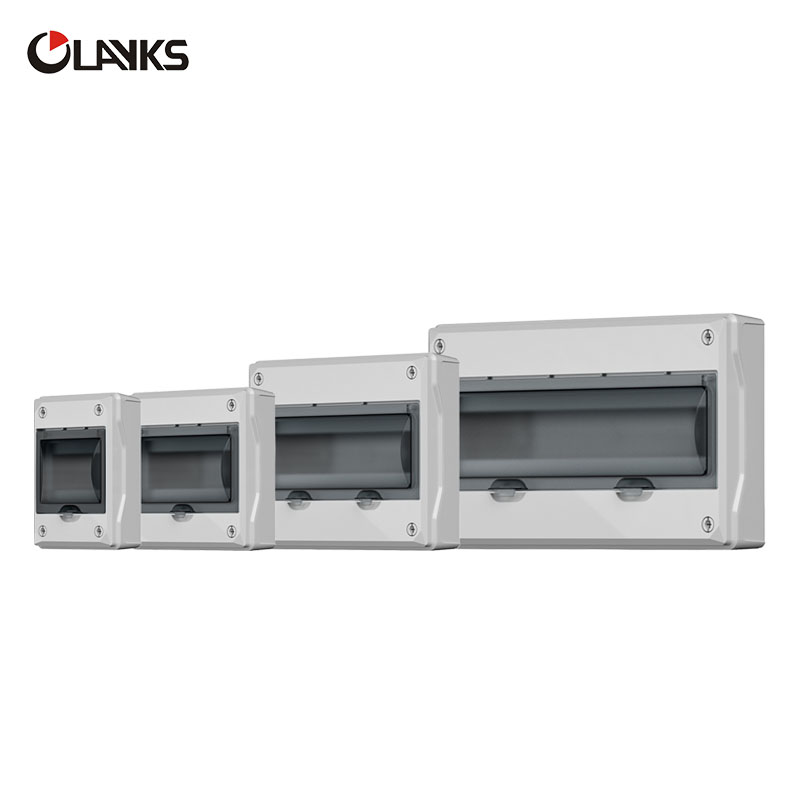
Latest smart distribution box model featuring digital monitoring and remote control capabilities
The global distribution box market is experiencing unprecedented growth, driven by increasing demand for reliable electrical infrastructure in residential, commercial, and industrial sectors. As cities expand and technology advances, modern electrical distribution boxes are evolving to meet the complex needs of today's power systems.
Introduction to Distribution Box Technology
Distribution boxes, also known as electrical distribution boards, panel boards, or breaker boxes, are fundamental components of any electrical system. They serve as the central hub where electricity from the main supply is distributed to various circuits throughout a building or facility. These essential devices have evolved significantly since their inception, from simple fuse boxes to sophisticated smart systems that monitor and control power distribution in real-time.
Historical Evolution of Distribution Boxes
The history of distribution boxes dates back to the late 19th century when electricity began to be widely adopted for residential and commercial use. Early distribution systems relied on simple fuse boxes with porcelain fuses that would melt when overloaded,切断 the circuit to prevent fires. These primitive systems were replaced in the mid-20th century by circuit breaker panels, which offered the advantage of being resettable after a fault.
In the 1970s and 1980s, distribution boxes began to incorporate more advanced safety features, such as ground fault circuit interrupters (GFCIs) and arc fault circuit interrupters (AFCIs), which provided enhanced protection against electrical shocks and fires. The 21st century has seen the most significant transformation, with the integration of digital technology, remote monitoring capabilities, and smart features that enable real-time energy management.
Global Significance of Distribution Boxes
Distribution boxes play a critical role in ensuring the safe and efficient delivery of electricity worldwide. According to the International Energy Agency (IEA), global electricity demand is expected to grow by 2.1% annually through 2040, driven by population growth, urbanization, and the increasing adoption of electric vehicles and other electrified technologies. This growing demand places unprecedented pressure on electrical infrastructure, making modern, reliable distribution boxes more important than ever.
In developing countries, the expansion of electrical grids and the electrification of rural areas are driving significant demand for distribution boxes. In developed nations, the aging of existing electrical infrastructure and the need to integrate renewable energy sources are prompting widespread upgrades to more advanced distribution systems.
Key Functions of Modern Distribution Boxes
Today's distribution boxes perform several critical functions:
Power Distribution: Safely dividing electricity from the main supply into individual circuits for lighting, appliances, and equipment
Overcurrent Protection: Preventing damage to electrical systems and appliances by interrupting circuits when current exceeds safe levels
Safety Monitoring: Detecting and responding to electrical faults, such as short circuits, ground faults, and arc faults
Energy Management: Monitoring power consumption and optimizing distribution to improve energy efficiency
Remote Control: Allowing for remote monitoring and management of electrical systems through digital interfaces
Renewable Energy Integration: Managing power from solar panels, wind turbines, and other renewable sources
As the backbone of electrical systems, distribution boxes are essential for maintaining the reliability and safety of power delivery in homes, businesses, industrial facilities, and critical infrastructure. The ongoing evolution of distribution box technology is not just about improving existing functions but also about enabling new capabilities that support the transition to a more sustainable, efficient, and connected energy future.
Key Innovations in Distribution Box Technology
Leading manufacturers are introducing cutting-edge features in power distribution boxes that enhance safety, efficiency, and connectivity. These advancements include:
Smart Monitoring Systems: Real-time tracking of power consumption, voltage levels, and potential faults
Remote Control Capabilities: Wireless management of distribution boxes via mobile apps and cloud platforms
Modular Design: Scalable solutions that adapt to changing power requirements
Energy Efficiency Optimization: Intelligent load balancing and power factor correction
Market Growth and Trends
According to recent industry reports, the global electrical distribution box market is projected to reach $28.7 billion by 2030, with a compound annual growth rate (CAGR) of 6.2%. This growth is attributed to several factors:
Urbanization
Rapid urban development in emerging economies is driving demand for modern electrical infrastructure
Renewable Energy Integration
Distribution boxes are being adapted to handle power from solar, wind, and other renewable sources
Smart City Initiatives
Intelligent distribution boxes are a critical component of connected urban infrastructure
Applications Across Sectors
Distribution boxes are essential components in various settings, each with specific requirements:
Residential
Compact, user-friendly distribution boxes for homes and apartments
Commercial
Scalable solutions for offices, retail spaces, and public buildings
Industrial
Robust distribution boxes for manufacturing facilities and industrial complexes
Future Outlook
The future of distribution box technology looks promising, with several emerging trends:
IoT Integration: Distribution boxes connected to the Internet of Things for enhanced monitoring and control
AI-Powered Analytics: Artificial intelligence algorithms for predictive maintenance and fault detection
Circular Economy: Sustainable design with recyclable materials and energy-efficient components
Electrification Support: Enhanced capacity to support the growing demand for electric vehicles and other electrified technologies
Expert Insights
"Modern distribution boxes are no longer just passive components in electrical systems. They have become intelligent nodes that optimize power distribution, enhance safety, and provide valuable data insights. This transformation is crucial for building resilient and sustainable electrical infrastructure for the future."
Technical Specifications of Modern Distribution Boxes
Modern distribution boxes come in a wide range of types, sizes, and configurations to meet the diverse needs of residential, commercial, and industrial applications. Understanding the technical specifications is essential for selecting the right distribution box for a specific application.
Types of Distribution Boxes
Residential Distribution Boxes
Designed for homes and small apartments, these boxes typically have 12-40 circuits and are rated for 100-200 amps. They include features like circuit breakers, GFCIs, and AFCIs for enhanced safety.
Commercial Distribution Boxes
Suitable for offices, retail spaces, and small businesses, these boxes have 20-60 circuits and are rated for 200-400 amps. They often include metering capabilities and more advanced monitoring features.
Built for manufacturing facilities, factories, and industrial complexes, these heavy-duty boxes have 40+ circuits and are rated for 400-2000 amps. They include rugged enclosures and advanced protection systems.
Weatherproof boxes designed for external use, such as in utility substations, construction sites, and outdoor lighting systems. They feature waterproof enclosures and UV protection.
Smart Distribution Boxes
Equipped with digital monitoring systems, remote control capabilities, and IoT connectivity. These boxes provide real-time data on power consumption and system performance.
Specialized Distribution Boxes
Custom-designed for specific applications, such as data centers, healthcare facilities, and renewable energy installations. They include specialized features to meet unique requirements.
Materials and Construction
Distribution boxes are constructed from various materials, each offering different benefits:
Steel: Durable and fire-resistant, commonly used in industrial and commercial applications. Galvanized steel provides enhanced corrosion resistance.
Aluminum: Lightweight and corrosion-resistant, suitable for both indoor and outdoor applications. Often used in residential distribution boxes.
Polycarbonate: Non-conductive, lightweight, and impact-resistant. Ideal for outdoor applications where corrosion is a concern.
Stainless Steel: Offers excellent corrosion resistance and durability, making it suitable for harsh environments like coastal areas or chemical plants.
Electrical Ratings and Specifications
Key electrical specifications to consider when selecting a distribution box include:
Specification
Residential
Commercial
Industrial
Current Rating
100-200A
200-400A
400-2000A
Voltage Rating
120/240V
120/240V, 277/480V
277/480V, 480/600V
Number of Circuits
12-40
20-60
40+
Frequency
50/60Hz
50/60Hz
50/60Hz
Short Circuit Rating
10kA-22kA
14kA-65kA
22kA-200kA
Protection Features
Modern distribution boxes include various protection features to ensure safe operation:
Circuit Breakers: Automatically interrupt circuits when current exceeds safe levels
Ground Fault Circuit Interrupters (GFCIs): Protect against electrical shocks by detecting ground faults
Arc Fault Circuit Interrupters (AFCIs): Detect and prevent arc faults that can cause fires
Surge Protection Devices (SPDs): Protect against voltage surges from lightning or power grid fluctuations
Overvoltage Protection: Prevent damage from excessive voltage
Undervoltage Protection: Detect and respond to low voltage conditions
Enclosure Ratings
Distribution box enclosures are rated based on their ability to protect against environmental factors:
NEMA Ratings: National Electrical Manufacturers Association ratings that indicate enclosure protection levels
IP Ratings: Ingress Protection ratings that specify protection against dust and water
Common NEMA ratings for distribution boxes include:
NEMA 1: Indoor use, protection against dust and light dirt
NEMA 3R: Outdoor use, protection against rain, sleet, and snow
NEMA 4: Indoor/outdoor use, protection against water spray from any direction
NEMA 4X: Same as NEMA 4, plus corrosion resistance
NEMA 12: Indoor use, protection against dust, dirt, and non-corrosive liquids
Smart Features and Connectivity
Advanced distribution boxes may include the following smart features:
Digital Meters: Measure and display power consumption in real-time
Remote Monitoring: Allow access to system data via mobile apps or web portals
Energy Management Systems: Optimize power distribution to reduce energy waste
Fault Detection: Identify and locate faults quickly
Load Shedding: Automatically reduce power to non-essential circuits during peak demand
Integration with Building Management Systems (BMS): Communicate with other building systems for coordinated operation
When selecting a distribution box, it's important to consider not only the current electrical needs but also future expansion requirements. Oversizing the distribution box slightly can accommodate future additions without the need for a complete replacement.
Installation Guidelines for Distribution Boxes
Proper installation of distribution boxes is critical for ensuring safe and reliable operation. Installation should always be performed by qualified electrical professionals following local codes and manufacturer recommendations.
Pre-Installation Planning
Before installing a distribution box, several key factors should be considered:
Location Selection: Choose a dry, well-ventilated area with sufficient space for access and maintenance
Load Calculation: Determine the total electrical load to select the appropriate size and rating
Code Compliance: Ensure the installation meets local electrical codes and regulations
Equipment Selection: Choose the right type of distribution box for the application (residential, commercial, industrial)
Accessibility: Ensure the box is easily accessible for maintenance and emergency shutoffs
Environmental Considerations: Select an enclosure rating appropriate for the installation environment
Safety Precautions
Installation of distribution boxes involves working with electricity, which poses significant safety risks. Always follow these precautions:
Turn Off Power: Ensure the main power supply is disconnected before beginning any work
Use Personal Protective Equipment (PPE): Wear insulated gloves, safety glasses, and appropriate clothing
Test for Voltage: Use a voltage tester to confirm power is off before working on circuits
Follow Lockout/Tagout Procedures: Use lockout/tagout devices to prevent accidental energization
Use Proper Tools: Use insulated tools designed for electrical work
Work in a Dry Environment: Avoid working in wet or damp conditions
Have a First Aid Kit Available: Be prepared for emergency situations
Never Work Alone: Always have a qualified person nearby when working with electricity
Step-by-Step Installation Procedure
1. Preparation
Gather all necessary tools and equipment
Verify the distribution box is the correct size and rating for the application
Ensure the installation location meets all code requirements
Prepare the mounting surface (wall, pole, or floor)
2. Mounting the Distribution Box
Mark the mounting holes on the surface
Drill pilot holes if necessary
Secure the box using appropriate fasteners
Ensure the box is level and securely mounted
3. Wiring the Main Service
Bring the main service wires into the box through the appropriate knockouts
Install cable clamps to secure the wires
Connect the main service wires to the main breaker or lugs
Ensure proper grounding of the box
4. Installing Circuit Breakers
Install circuit breakers in the appropriate slots
Ensure each breaker is rated correctly for the circuit it will protect
Secure breakers firmly in place
5. Wiring Branch Circuits
Bring branch circuit wires into the box through appropriate knockouts
Install cable clamps
Connect each branch circuit wire to the appropriate circuit breaker
Ensure proper wire sizing for each circuit
Label each circuit clearly
6. Testing and Commissioning
Double-check all connections for tightness and correctness
Ensure all wires are properly insulated and secured
Turn on the main power supply
Test each circuit to ensure it functions correctly
Test all protection devices (circuit breakers, GFCIs, AFCIs)
Verify proper grounding
Installation Best Practices
Labeling: Clearly label all circuits and breakers for easy identification
Wire Management: Use cable ties or wire loom to organize wires and prevent tangling
Proper Torque: Tighten all connections to manufacturer specifications
Spare Capacity: Install a distribution box with extra circuit spaces for future expansion
Documentation: Keep detailed records of the installation, including wiring diagrams and load calculations
Regular Inspections: Schedule periodic inspections to ensure the system remains in good condition
Common Installation Mistakes to Avoid
Overloading Circuits: Do not exceed the ampacity of circuits or the distribution box
Poor Grounding: Ensure proper grounding to prevent electrical shocks and fires
Incorrect Wire Sizing: Use the appropriate wire size for each circuit
Inadequate Ventilation: Ensure the distribution box has sufficient airflow to prevent overheating
Improper Enclosure Rating: Use the correct enclosure rating for the installation environment
Failure to Follow Codes: Always adhere to local electrical codes and regulations
Special Considerations for Different Applications
Residential Installations
For homes, focus on ease of access, proper labeling, and inclusion of GFCIs in wet areas like kitchens and bathrooms.
Commercial Installations
Commercial settings require more robust distribution boxes with higher ampacity ratings and often include metering capabilities.
Industrial Installations
Industrial applications demand heavy-duty distribution boxes with rugged enclosures, high short-circuit ratings, and advanced protection features.
Outdoor Installations
Outdoor distribution boxes require weatherproof enclosures with appropriate NEMA or IP ratings to protect against the elements.
Proper installation of distribution boxes is essential for ensuring the safety, reliability, and efficiency of electrical systems. By following these guidelines and working with qualified professionals, property owners can ensure their distribution boxes are installed correctly and maintained properly throughout their service life.