

1. Introduction: The New Era of Terminal Blocks
Terminal Blocks—also known as wiring terminals, electrical connectors, screw terminals, modular terminal strips, barrier strips, feed-through terminals, DIN-rail terminals—are among the most important components in power distribution, industrial automation, smart manufacturing, and modern electrical infrastructure. In today’s global market, the demand for high-reliability terminal block systems continues to grow as industries adopt electrification, digital transformation, and IoT-enabled automation.
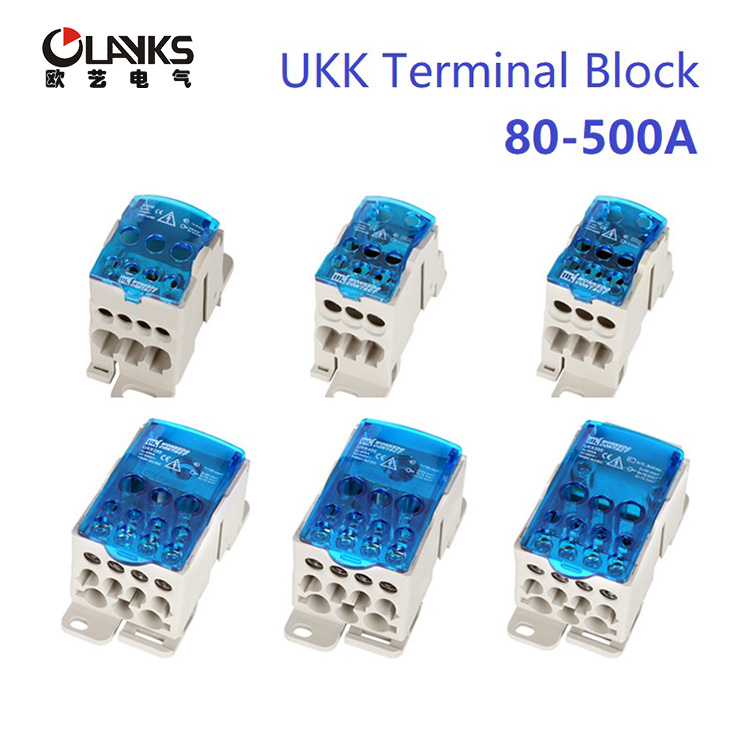 This report provides a detailed overview of the worldwide Terminal Block market, industry innovations, application
expansion, material upgrades, and the rising standards of electrical safety.
Keywords included throughout the article:
Terminal Blocks, Industrial Terminal Block Systems, Modular Terminal Blocks, Screw Terminals, Push-in Terminals,
DIN Rail Mount Terminal Blocks, Multi-Pole Connectors, High-Temperature Terminal Blocks, Insulated Barrier Strips,
Spring Clamp Terminals, Power Distribution Terminals, Electrical Wiring Connectors, Control Panel Terminals,
Automation Terminals etc.
This report provides a detailed overview of the worldwide Terminal Block market, industry innovations, application
expansion, material upgrades, and the rising standards of electrical safety.
Keywords included throughout the article:
Terminal Blocks, Industrial Terminal Block Systems, Modular Terminal Blocks, Screw Terminals, Push-in Terminals,
DIN Rail Mount Terminal Blocks, Multi-Pole Connectors, High-Temperature Terminal Blocks, Insulated Barrier Strips,
Spring Clamp Terminals, Power Distribution Terminals, Electrical Wiring Connectors, Control Panel Terminals,
Automation Terminals etc.
2. Global Terminal Blocks Industry Overview
The global market for terminal blocks has expanded significantly over the last decade, driven by the rapid growth of automation, renewable energy, power electronics, and outdoor electrical systems. Top industries contributing to global demand include:
- Power Transmission & Distribution
- Industrial Machinery
- Railway & Transportation
- Renewable Energy (Wind, Solar, ESS)
- 5G Telecommunications
- Smart Buildings & IoT Electric Controls
- Marine & Offshore Electrical Systems
Globally recognized brands—such as Phoenix Contact, WAGO, Weidmüller, ABB, Schneider Electric, and Olayksele—continue to dominate the high-end market with advanced modular technologies and safer installation designs.
3. Types & Technologies of Terminal Blocks
Modern terminal blocks are engineered to suit a wide range of applications. Key technologies include:
3.1 Screw-Type Terminal Blocks
The most common and robust form, offering high mechanical reliability. Used in heavy machinery, distribution boxes, and industrial control panels.
3.2 Spring Clamp Terminal Blocks
Featuring tool-free wiring, these are widely used in automation, PCB assemblies, and compact control applications.
3.3 Push-in Terminal Blocks
Designed for fast installation in mass-production systems—reducing wiring time by up to 60%.
3.4 DIN-Rail Modular Terminal Blocks
The backbone of modern electrical cabinets, supporting flexible expansion and excellent heat dissipation.
3.5 High-Temperature & Special-Purpose Terminal Blocks
Manufactured for extreme conditions in railways, furnaces, offshore platforms, mining equipment, and heavy-duty transportation.
4. Advanced Materials & Durability
Terminal Blocks have evolved beyond traditional phenolic and PVC. Today’s high-performance materials include:
- PA66 Nylon — high insulation, fire resistance
- PC Polycarbonate — impact-resistant, transparent protective designs
- PBT — strong chemical resistance
- Ceramic Terminal Blocks — heat resistance up to 500°C
Metal conductor components use copper alloys, tin-plated or nickel-plated surfaces to ensure long-term stability, anti-oxidation performance, and lower contact resistance.
5. Industrial Applications
Terminal blocks are used wherever electricity flows. Key application sectors include:
5.1 Renewable Energy
Solar inverters, junction boxes (PV junctions), wind turbine control cabinets, and battery energy storage systems rely heavily on high-current terminal connectors.
5.2 Smart Factories
Automated lines require modular terminal blocks to integrate sensors, actuators, PLC controllers, and relay modules.
5.3 Marine & Offshore
Salt-resistant materials, high-IP protective housings, and vibration-proof structures are critical for marine power systems.
5.4 Rail Transit
Railway signal systems, vehicle wiring, and station control equipment use high-stability barrier-type terminal strips.
5.5 Construction & HVAC
Used in high-rise building distribution boxes, smart lighting systems, and HVAC control panels.
6. Smart & Modular Terminal Block Technologies
As industries shift toward digital power management, modular terminal blocks now include:
- Integrated surge protection modules
- Fuse terminals
- Sensor-actuator hybrid terminals
- IoT-enabled diagnostic terminals
- Multi-functional distribution terminals
These innovations support automation, monitoring, and real-time system maintenance.
7. Safety Standards & Certifications
Compliance is essential for global market acceptance. Terminal Blocks must meet standards including:
- IEC 60947-7-1 / 7-2
- UL 1059
- CE / RoHS / REACH
- EN 60998
Many advanced suppliers—such as Olayksele—also meet IP-rated protective requirements in waterproof systems.
8. Global Market Growth
The worldwide terminal block market is expected to reach $9.8 billion by 2030, with a CAGR of 6.4%.
Key growth drivers:
- Electrification of industries
- Expansion of renewable energy infrastructure
- Smart building automation
- Electrical safety modernization
9. Case Study: Renewable Energy Power System
A major solar farm in North Africa adopted modular DIN-rail terminal blocks for its inverter control stations. Benefits included:
- 30% reduction in wiring time
- Higher heat-resistant terminals for desert temperatures
- Improved maintenance through labeling and bridge connectors
10. Case Study: Smart Factory Automation
An automotive parts manufacturer implemented spring-clamp and push-in terminal blocks for robotic assembly lines. This resulted in:
- Rapid tool-less wiring
- Reduced vibration-related loosening
- Real-time monitoring with modular signal terminals
11. Future Trends
The next decade will bring:
- AI-optimized wiring systems
- Smart self-diagnosis terminals
- High-density micro terminal blocks
- Environmentally sustainable materials
Terminal Blocks will remain core components of global electrification development.
12. Conclusion
As electrical systems become more intelligent, modular, and secure, Terminal Blocks continue to evolve as indispensable features of modern infrastructure. Their performance, material quality, and reliability determine the stability of entire electrical and automation networks. Brands like Olayksele help drive global progress by delivering durable, innovative, and industry-certified terminal solutions.